Social-Emotional Learning & Positive Behavior Interventions and Supports (PBIS)
PBIS In DB-TC Schools
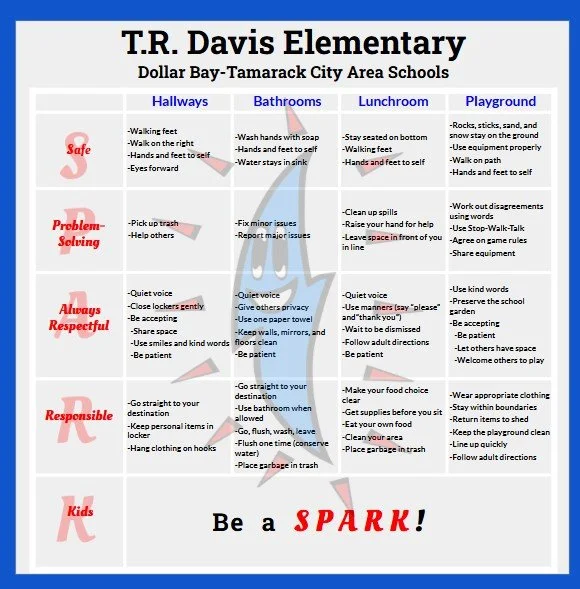
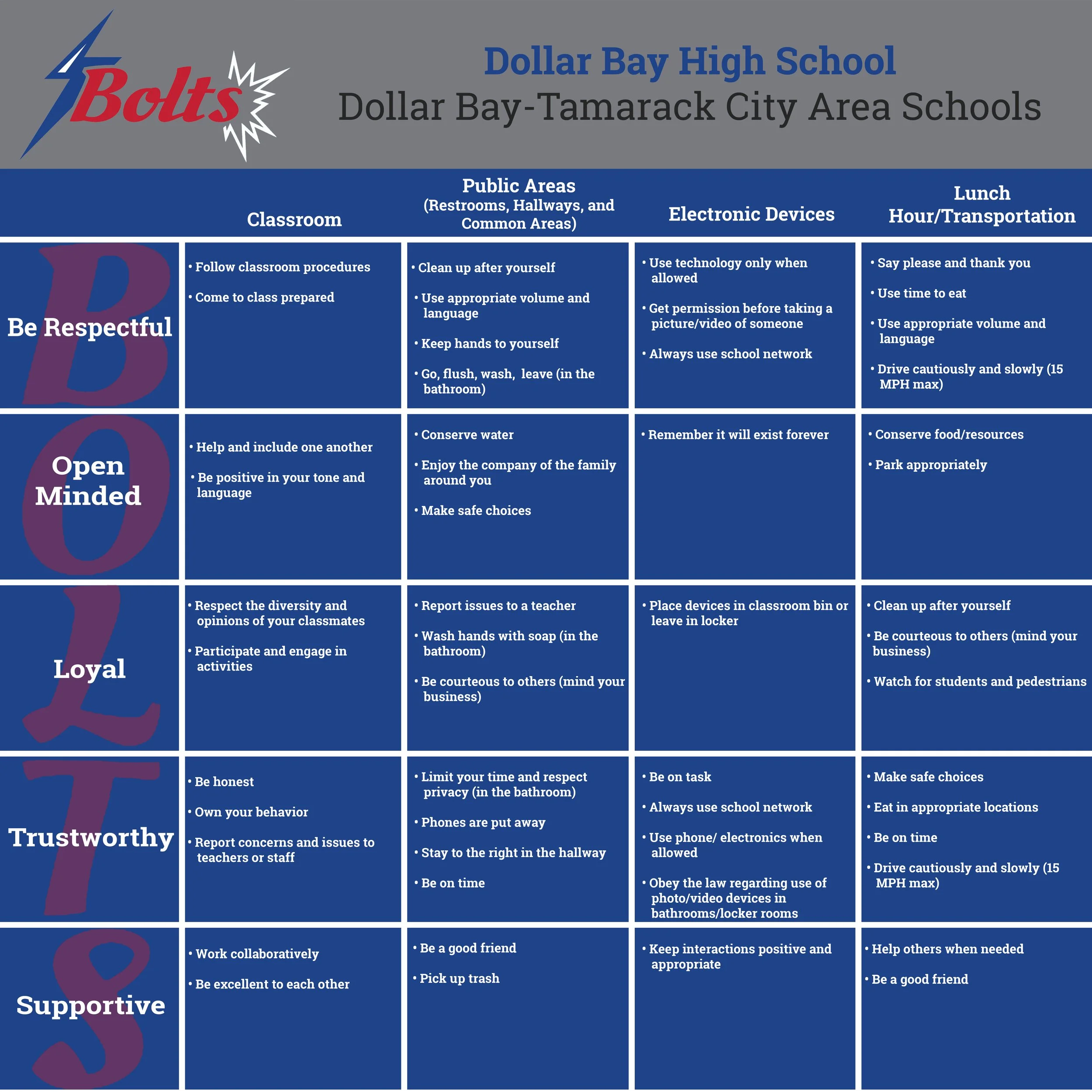
At Dollar Bay School, Positive Behavioral Interventions and Supports (PBIS) and Social-Emotional Learning (SEL) are key parts of creating a safe, supportive, and welcoming school environment. PBIS encourages positive behavior through clear expectations, recognition, and consistency, helping students build responsibility and respect. Alongside this, SEL provides students with skills in self-awareness, self-management, and relationship building, preparing them not only for academic success but also for lifelong well-being. Together, these approaches strengthen our school culture and ensure that every student feels valued and supported.
Contacts & Curriculum
DBTC uses a variety of curricula to teach social-emotional learning, including TRAILS, Second Step, and Stop-Walk-Talk.
Here is information about the Assessments and Screeners administered in Dollar Bay.
Multi-Tiered Systems of Support (MTSS)
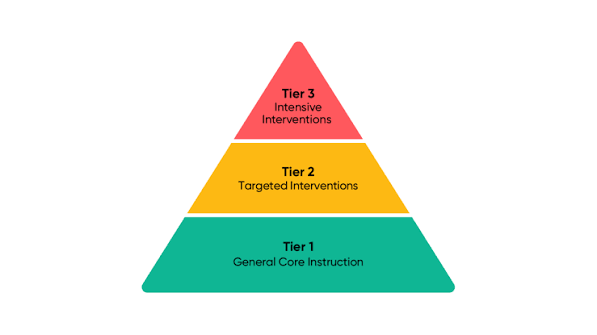
A Multi-Tiered System of Supports (MTSS) is an educational framework designed to provide targeted
academic, behavioral, and social-emotional assistance to all students. The system operates in three tiers,
starting with Tier 1 core instruction delivered universally across general classrooms. Tier 2 introduces
targeted small-group interventions for students needing extra help, while Tier 3 provides intensive,
often individualized support for those facing significant struggles. By continually using data to monitor
progress, MTSS ensures educators can step in early with the right level of support before learning gaps widen.
In Elementary School, teachers and paraprofessionals provide targeted interventions during small-
group time and other times.
Evidence-based interventions we provide: Phonics for Reading, Enhanced Core Reading Instruction
(ECRI), Rewards Explicit Short-Term Reading Intervention, Repeated Reading, Flow Fluency,
6-Minute Solution.
Teachers share about interventions used with students at Parent-Teacher conferences, and
parents are encouraged to provide feedback on their child’s reading interventions and progres and/or request additional help when needed.